Fractal Flower Eye
The brain as an interface to generative AI.
Fractal Flower Eye is a brain visualization that blends art, AI, and neuroscience to create a mind control experience. The interface translates brain activity into progressive fractals, offering a glimpse into human consciousness. Captured brain signals are transformed using machine learning and 3D math. Rendered in real-time, modular design allows for four-sided projection, detecting focus levels and enabling dynamic control. Interaction depicts deep learning technology's potential to enhance cognitive engagement, providing audiences with brain-generated art reflecting their inner world.
Started at Harvard in 2019. Extended with diffusion in 2022.
- Focus
- Human–AI co-creation
- Format
- Immersive installation · Print
- Methods
- EEG · Machine learning · 3D fractals · Diffusion
- Time
- 2019
- Exhibitions
- London · Hong Kong · Paris
- Awards
- A' Design Award, DNA Paris Design Award
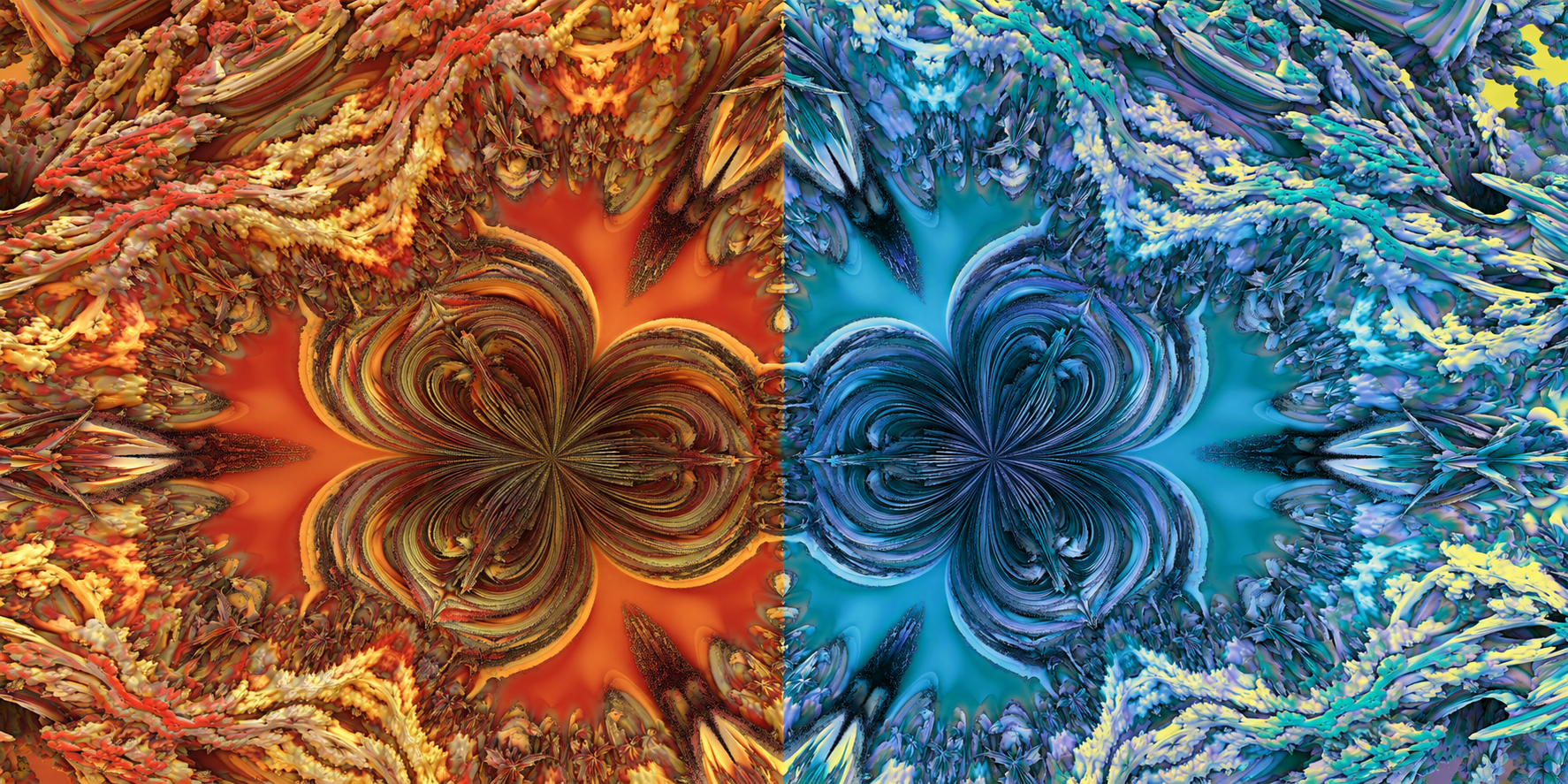
Make influence perceptible.
A brain flower to take home. Participants shape a four-sided immersive projection through brain activity, then leave with a printed “brain flower”—a personal keepsake of their encounter with the artwork.
Human–AI co-creation. EEG signals feed machine learning and 3D fractal formulas, while human-authored narratives shape the experience. Real-time rendering and diffusion interpolation connect 2D patterns with evolving 3D forms.
Designing for imperfect signals. Research with 20 participants experiencing sleep loss revealed interference from facial muscles and eye movements. I introduced three layers of data collection to reduce muscle-signal noise and make the interaction more reliable.

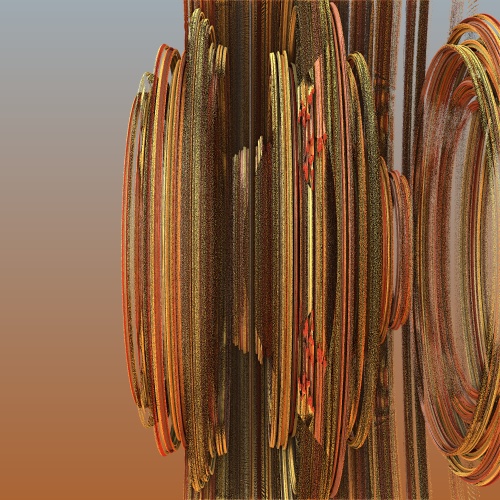
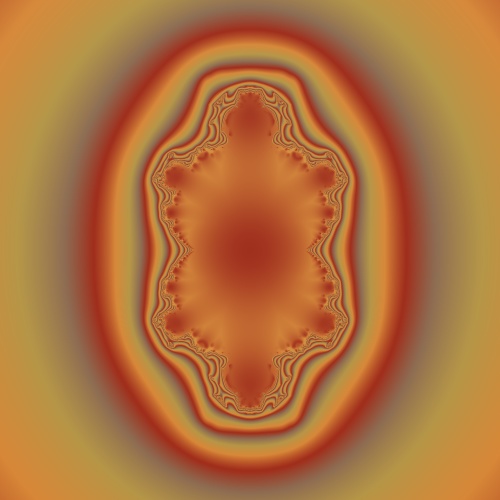
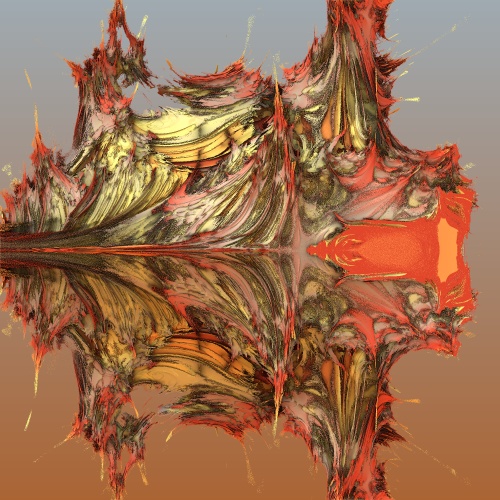
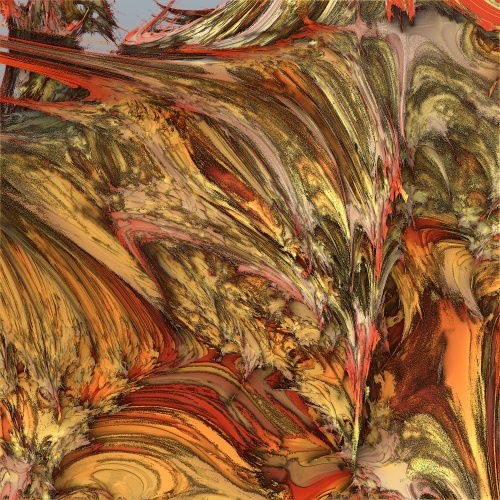
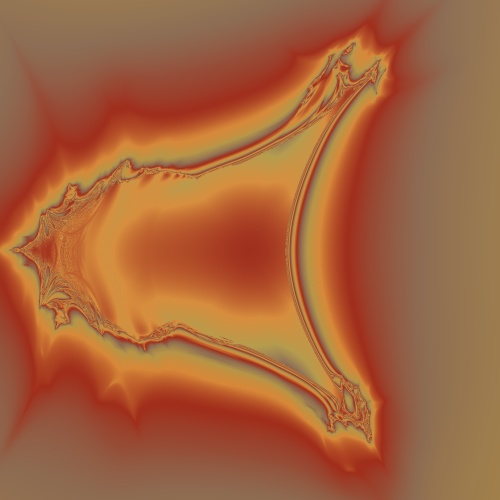
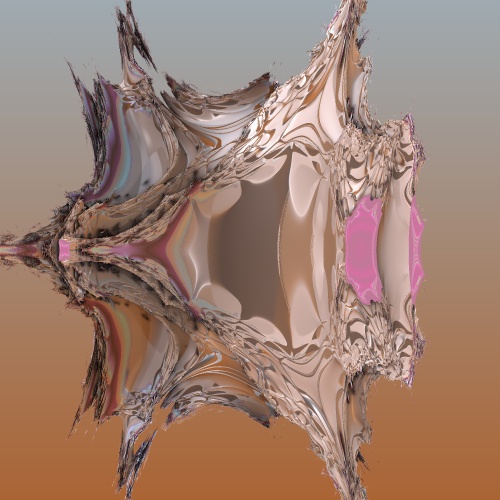


Visualization output · interactive 3D